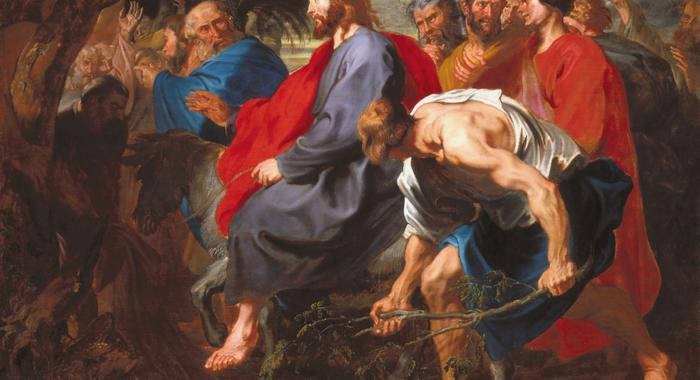
Centered on emotions, Romanticism was an artistic, literary and intellectual movement that developed in Europe at the beginning of the 19th century. With its emphasis on imagination and emotion, Romanticism arose from a disillusionment with the values of the Enlightenment on reason and order after the French Revolution of 1789. Although it is often described as the antithesis of neoclassicism, there was some stylistic overlap between the two movements and many romantic artists were enthusiastic about classicism. At its peak, however, around 1800 and 1850, Romanticism emerged in part as a reaction against neoclassicism, characterized by an emphasis on passions, feeling and individuality to the detriment of detachment and rationality. Integrated in a more intense way into visual arts, music and literature, it has been interpreted in different ways by different artists, writers and composers. The attention was the appreciation of the strength of nature, with its beauty and also its unpredictability, as well as the glorification of emotion at the expense of logic and intuition rather than intellect. Rejecting rationalism, romantic painters used energetic brush strokes and bright colors, and sculptors produced works full of spirit and imagination.
With its potential for disasters, nature was one of the main romantic themes, as well as the representation of strong and moving feelings that aroused empathy among spectators. In general, artists favoured colour over stroke, dynamic compositions over static compositions, and expressed their instincts and individuality rather than creating idealized representations of the classical past.
MAIN ARTISTS: EUGENE DELACROIX • J. M. W. TURNER • JOHN CONSTABLE • FRANCISCO DE GOYA • THEODORE GÉRICAULT
There is currently no content classified with this term.