The revenge of color
At the turn of the century, faced with the exhaustion of the urgent need to reconnect with the truth of nature, new forms of expression were...
After the Protestant Reformation, the Catholic Church responded with the Counter-Reformation, decreeing that art should inspire viewers with deeply religious themes.
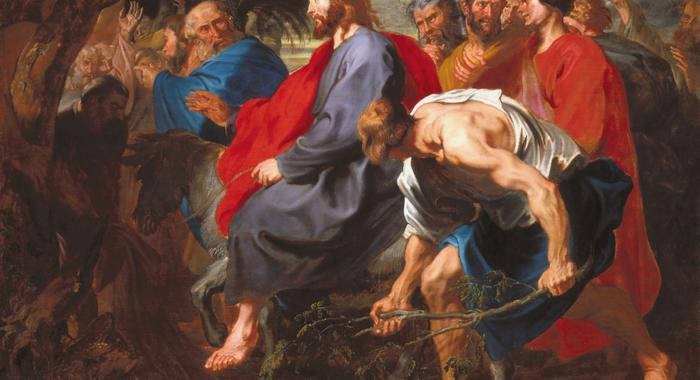
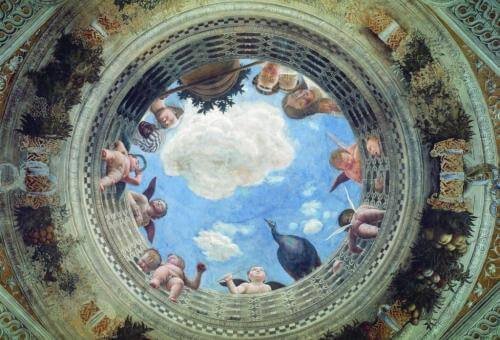
Succeeding Mannerism and developing in the wake of tensions across Europe, Baroque art emerged at the end of the 16th century. The name probably comes from the Portuguese term for a pearl with irregular contours, and describes an art form that combined emotion, dynamism, and drama with intense colors, realism, and strongly contrasting tones. Between 1545 and 1563, the Council of Trent decided that sacred art should encourage devotion, realism, and precision, and by attracting the attention and empathy of viewers, glorify the Catholic Church and reinforce the image of Catholicism. In the following century, the completely new style of Baroque art incorporated and developed the models of the High Renaissance, opening up new avenues in both sacred art and new varieties of secular art—particularly landscape painting. The Baroque style broadened the scope and range of art. It first developed in Italy, then spread to France, Germany, the Netherlands, Spain, and England, and lasted until about 1720.
New chiaroscuro techniques (light and dark) were developed to intensify the atmosphere and create spectacular effects of light and shadow. The brushstrokes became heavier and more expressive, often with the application of very thick paint, all designed to create spectacle and illusion. It was an emotional and theatrical style, emphasizing realism and imposing grandeur.
At the turn of the century, faced with the exhaustion of the urgent need to reconnect with the truth of nature, new forms of expression were...