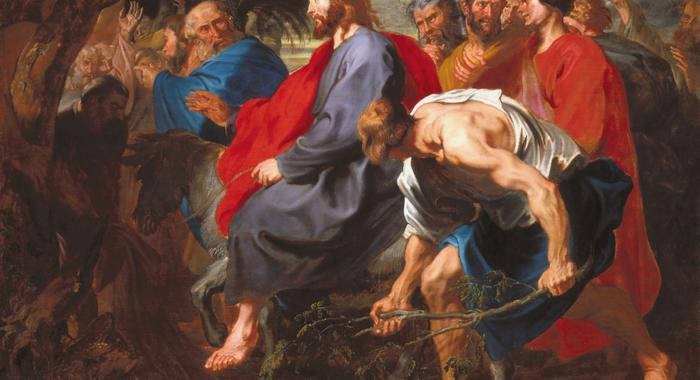
Medieval art was born from the artistic heritage of the Roman Empire and Byzantium, mingled with the "barbarian" artistic culture of Northern Europe.
From the fall of the Roman Empire in the year 300 until the beginning of the Renaissance around 1400, medieval art is quite varied. It is generally divided into three periods, determined by its early Christian, Romanesque and Gothic architecture, but the long Gothic period (circa 1150-1400) was a period of constant development. Some of the earliest examples of early Christian art are found in the catacombs, or funeral crypts, in the underground of Rome. After the Middle Ages and the first millennium, Romanesque art and architecture emerged, as its name suggests, essentially based on Roman precedents.
With the increase in wealth and the rise of shopping malls, individual and professional artists emerged, serving the courts or the Church. An important part of Gothic art, as well as the ancient, was destroyed. What remains, essentially, are illustrations in manuscripts, frescoes, stone sculptures used for church decoration and, increasingly common in the late Middle Ages, works produced for private prayer and devotion, including small paintings and statues. There was little distinction between art and artifact, nor between artists and craftsmen, but a very high level of competence was undoubtedly achieved, thanks to many technical advances.
More than trying to create realistic images, most medieval artists were concerned with illustrating divine supremacy - and mercy - At the end of the XIIE CENTURY, the artists began to observe the remaining Greek and Roman sculptures and to reproduce some of them, generally preferring to develop their own aesthetic, which results in the exquisite delicacy and expression attained in the works of late Gothic.
MAIN ARTISTS: CIMABUE • ANDREA PISANO • DUCCIO • GIOTTO DI BONDONE
There is currently no content classified with this term.