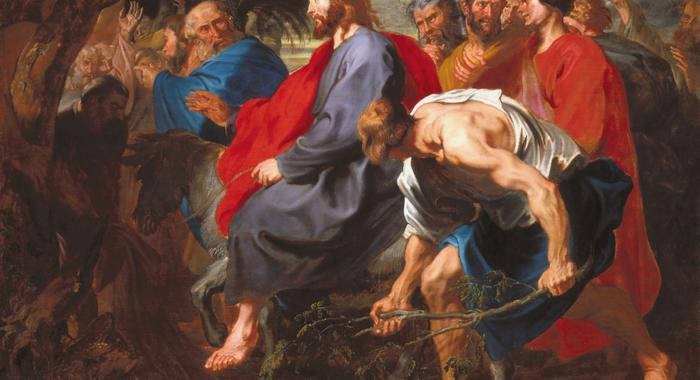
With its harmonious proportions and emphasis on aesthetics, the art of ancient Greece and Rome became the foundation and inspiration for all Western art.
For thousands of years, the painting, sculpture, architecture, and pottery produced in the ancient Greek Empire embodied the ideals of beauty. The Greek peoples lived scattered over great distances in independent city-states, but shared the same language and religious beliefs. Although there was no definitive transition, Greek art is generally divided stylistically into four periods: Geometric, Archaic, Classical, and Hellenistic. Among the techniques perfected by them were methods of sculpting by carving and casting, painting frescoes, and constructing magnificent buildings. The Classical period is the best known—when mainland Greece and Athens in particular reached their peak, with immense construction projects, such as the Parthenon, symbolizing the ambition and architectural and sculptural splendor of this period. Hellenistic Greek artists evolved toward even greater vitality, variety, power, beauty, and harmony, then passed on to Roman artists, who, during the Roman Empire (27 BC-395 AD), developed many techniques and ideas of their own.
In 479 BC, the Athenians drove out the Persian invaders. With renewed confidence, they created frescoes, reliefs, sculptures, architectural works, and, for the first time in history, the names of certain artists became known. The sculptors Polykleitos, Phidias, Myron, and Praxiteles were famous for their realistic, dynamic, and perfect human figures, with ideal beauty and proportions.
There is currently no content classified with this term.